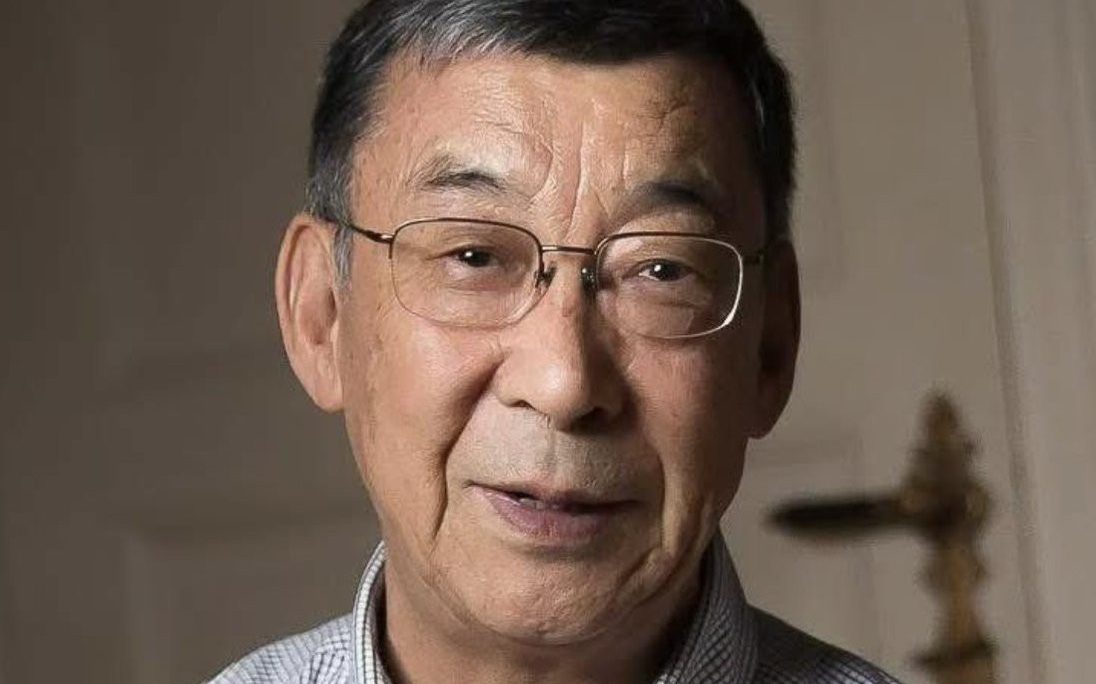
Tendzin Choegyal, the 16th Ngari Rinpoche, who has died aged 79, was the youngest brother of the Dalai Lama and a distinguished figure in the Tibetan exile community; he dedicated his life as a bridge between ancient tradition and modernity.
He was born in Lhasa in March 1946, some six years after his family arrived from eastern Tibet for the Dalai Lama’s enthronement in February 1940. Soon after Tendzin was born, lamas from the Chomo Lungnga monastery, three hours away, visited to say that their abbot had died and had reincarnated as this child, the third incarnate born to the Dalai Lama’s mother.
Não querendo se separar de mais um filho, ela recusou aceitar a afirmação de que ele era o 16º Ngari Rinpoche – um lama encarnado de alto nível da região de Ngari (oeste) do Tibete – até que ele tivesse três anos e meio. Apenas então ele ocupou seu assento no mosteiro, permanecendo lá por três anos, até que se mudou para o maior mosteiro de Drepung em Lhasa, onde ficou por mais três anos. Ela o levava para casa para curtas férias sempre que possível.
Tibet entered desperate times. In 1948, the Dalai Lama’s father died aged 48, probably having been poisoned, followed shortly by the suspicious death of the Regent, to whom they were close. In 1950, the Chinese People’s Liberation Army (PLA) marched into Tibet and took over.
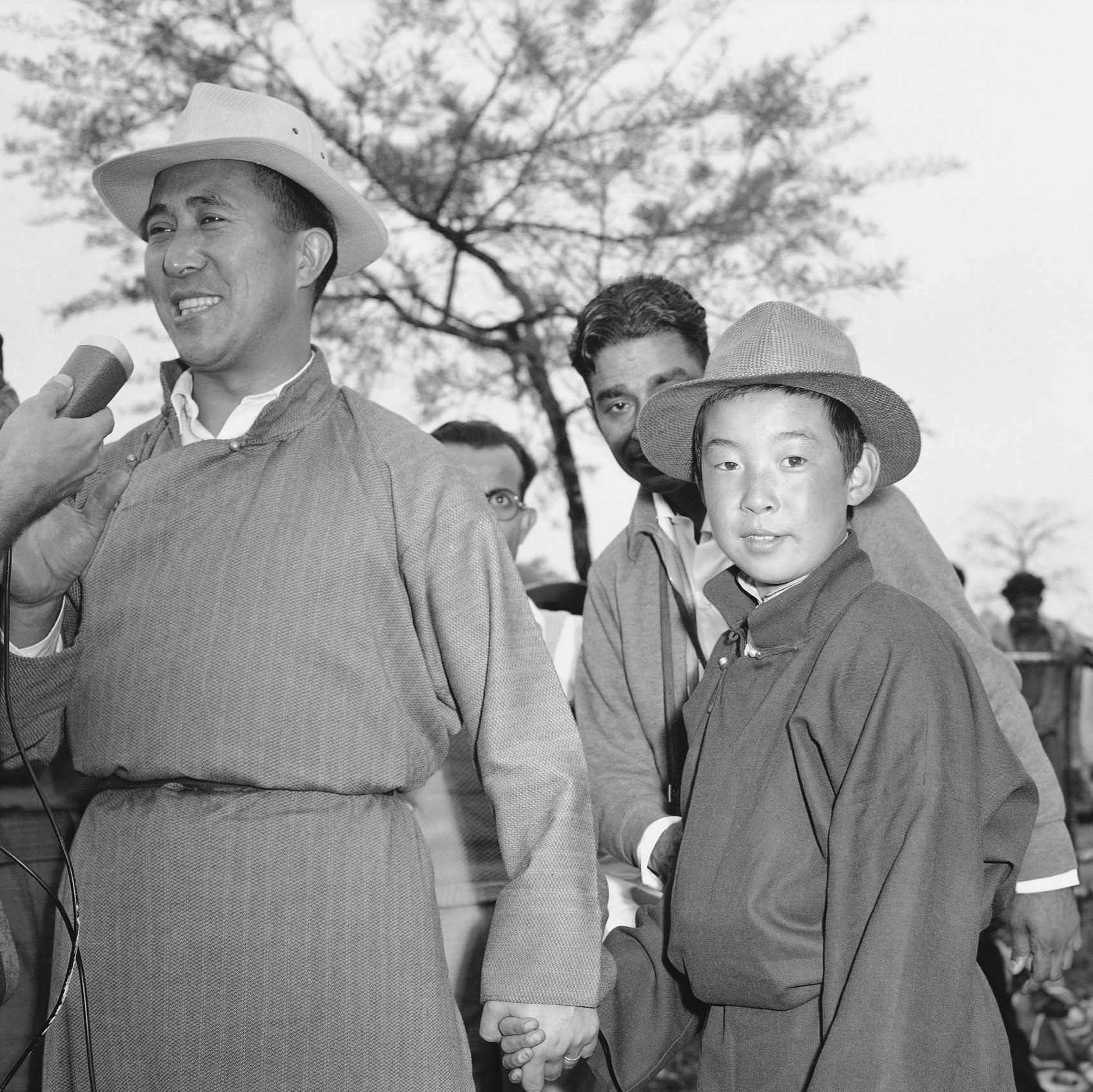
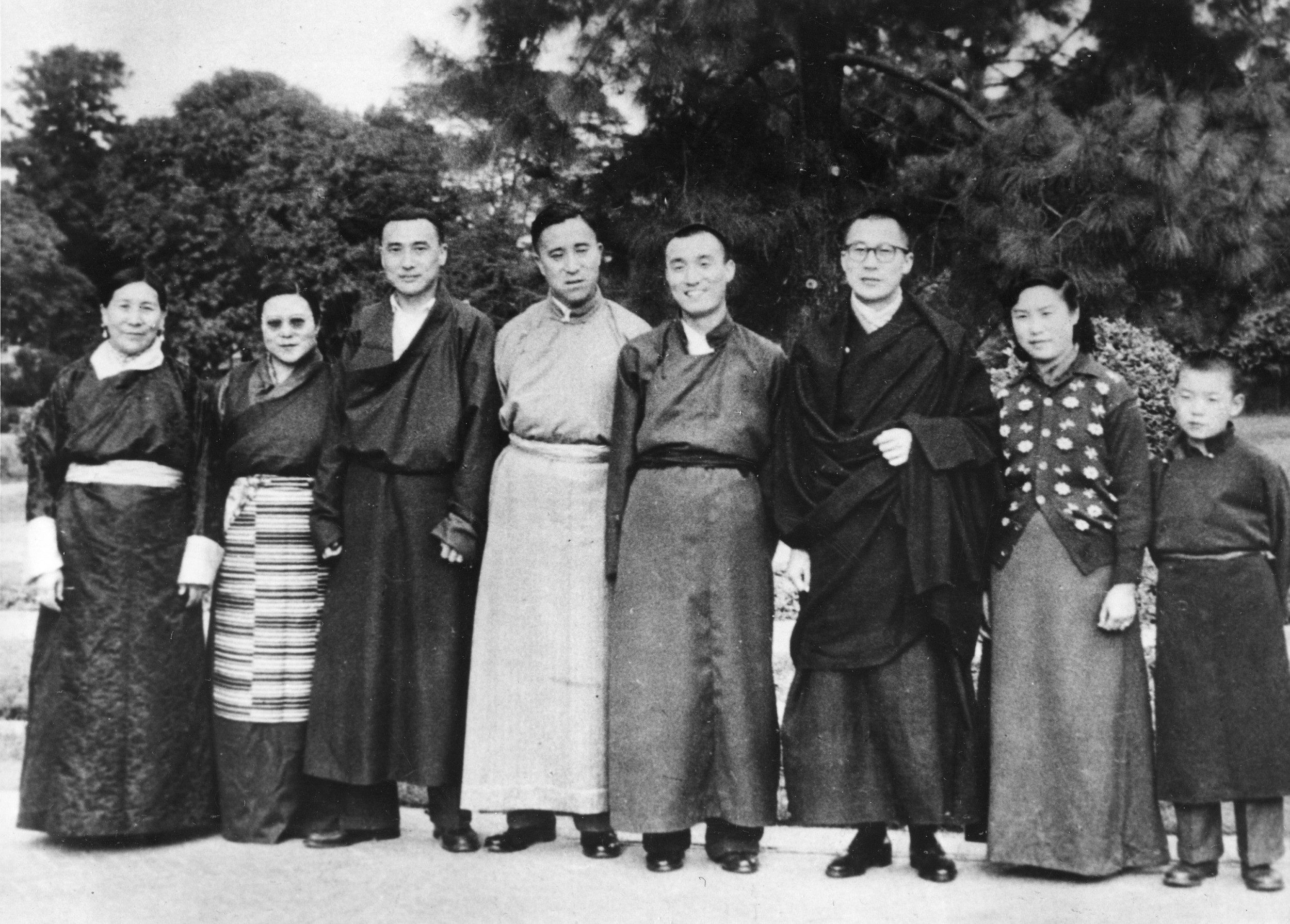
In May 1954, the Dalai and Panchen Lamas were invited to visit China; in fact they had little choice. The Dalai Lama’s mother, with her daughter Tsering Dolma and two of her sons, Lobsang Samten and Tendzin Choegyal, decided to travel with the Dalai’s party of 300 by pony and on foot to Lanzhou beyond the Tibetan border, and thence by modern transport. The Panchen Lama joined en route.
Em Pequim, eles se encontram com Mao Zedong, Zhou Enlai e o soviético Nikita Khrushchev. Os chineses tiveram grande simpatia por Tendzin e o trataram com muito carinho; sua família precisava ter cuidado para não desrespeitar os chineses diante dele, por medo de que ele repetisse comentários aos seus anfitriões.
As the Dalai Lama recalled: “If there was ever a more unruly child than myself it was Tendzin. He was a constant source of delight and terror to everyone, including the Chinese. He would jump all over the furniture and a tutor had to explain the damage. He fished the carp from an ornamental pond and laid them neatly on the grass beside it” – for which act the Dalai boxed his ears hard.
In 1956 the family travelled to India to celebrate the 2,500th anniversary of the Buddha’s birth, when all five brothers met together for the first time. Returning to Tibet, they discovered that the Chinese were taking over everything, with life becoming unbearable. Many, including the Dalai Lama, planned escape to India.
The issue was forced in 1959 when the Dalai was invited to an opera at Chinese military headquarters, and instructed to go without bodyguards. The population feared kidnap, and 30,000 people, swelling to 100,000, started an uprising, which a week later was out of control, with thousands killed when the PLA bombarded Lhasa.
Tendzin had been taken from the Drepung monastery by car to see the opera and on his return he was intercepted by his mother’s servant. A few days later, close to midnight, he accompanied his mother and sister – who were disguised as soldiers – as they left Norbulingka, the Dalai Lama’s summer palace, from a side gate. The Dalai’s party followed 15 minutes later, His Holiness dressed as a soldier servant.
Eles passaram pelas linhas chinesas para atravessar o Rio Tsangpo em canoas até cavalos que os aguardavam, formando um grupo de 100 pessoas. Não percebendo o intenso perigo, Tendzin ficou “encantado pelos rebeldes guerreiros Khampa, suas armas e pela câmera ao meu pescoço. Com 13 anos, era a maior aventura que um jovem poderia ter.” Seu desaparecimento só foi notado três dias depois. Após uma difícil jornada através de montanhas nevadas, o grupo chegou à Índia em Tawang.
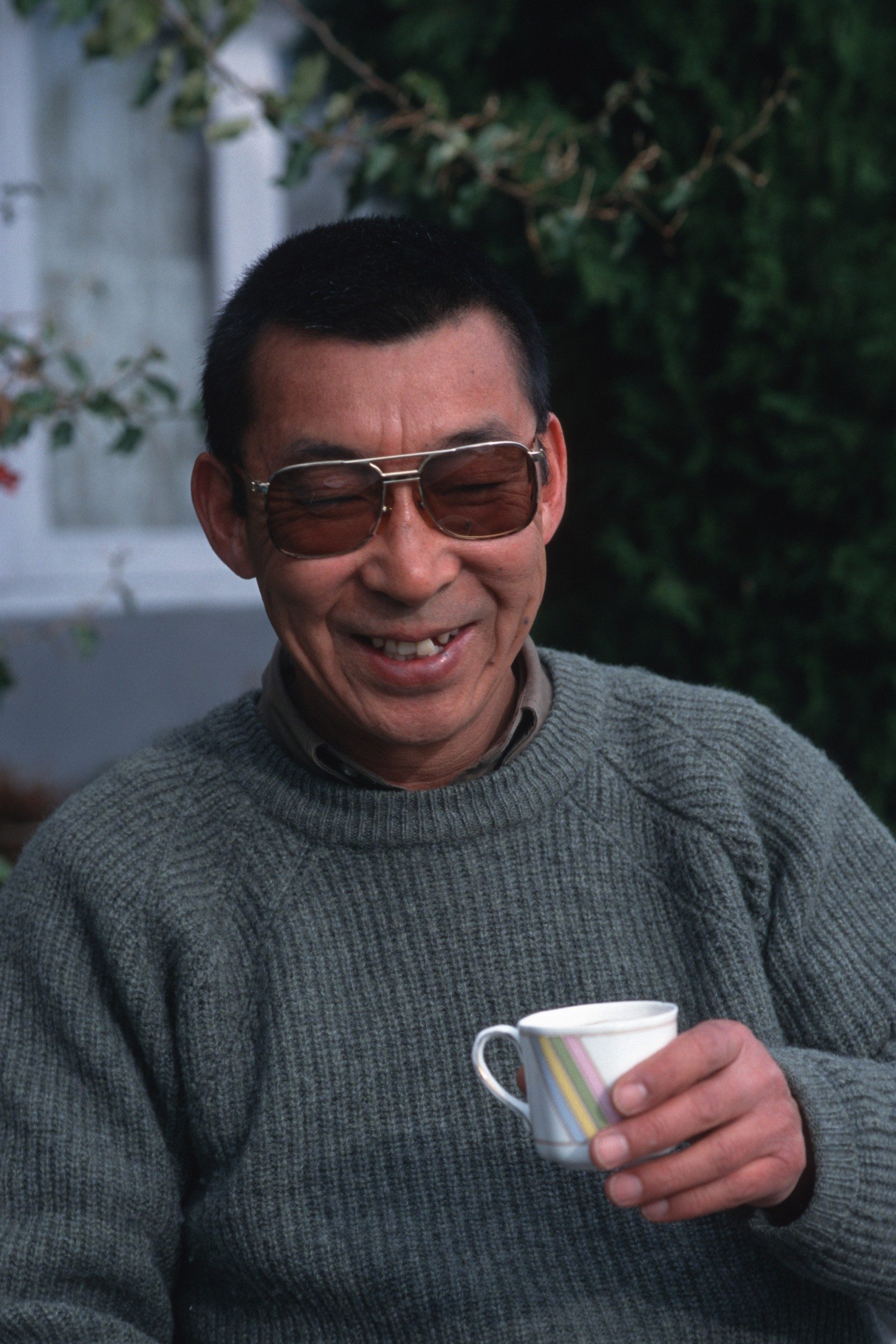
Tendzin estudou no Colégio de São José em Darjeeling até 1969, depois continuou seus estudos no Canadá. Com 25 anos, duvidando do conceito de reencarnação, ele renunciou ao hábito religioso, mais tarde refletindo que havia sido “lançado na situação” – embora não admitindo nem negando que fosse um “tulku” (um lama reencarnado).
Monasteries in Ladakh, of which he was head, pleaded to no avail. The Dalai Lama’s solution was that Tendzin should visit these monasteries as a layman and see that the revenues ordinarily due to his upkeep were well spent elsewhere, and to bear in mind the feelings the locals had for their Rinpoche (“precious one”).
Between 1971 and 1988 he worked for the Tibetan Government in Exile, with a two-year break serving in the Indian army’s Special Frontier Force. From 1974 to 1976 he was President of the Tibet Youth Congress, an NGO advocating Tibetan independence. He taught at the Tibetan Children’s Villages and was elected to the Exile Government in 1995, retiring in 1996 to continue running a guest house at Dharamsala in Himachal Pradesh, India.
He is survived by his wife Rinchin Khandro, whom he married in 1972, by their son and daughter, by his elder sister, Jetsun Pema, and by his older brother, the Dalai Lama.
Tendzin Choegyal, nascido em março de 1946, falecido em 17 de fevereiro de 2026
Jogue a incrível variedade de quebra-cabeças do The Telegraph – e se sinta mais inteligente todos os dias. Treine seu cérebro e melhore seu humor com o PlusWord, o Mini Crossword, o temido Killer Sudoku e até o clássico Cryptic Crossword.
